
We spoke with senior planner Harold Moniz about how his role has unfolded over a 45+ year career, the projects that have shaped his perspective, what he finds most rewarding about planning, and the lessons he’s learned along the way.
Q: How has your role evolved over the course of your career?
A:When I first started as a code reviewer, I thought my job was to “regulate and police” the construction industry. When I became a Planning Director, I realized my job was to help people and professionals through the codes and permitting system. If the codes were wrong, then it was my responsibility to change them to achieve the desired outcomes. As my career has evolved, my role today is focused on finding the win/win scenarios and creating the public/private partnerships that enable the private sector to implement the plans and visions that the public sector adopts.
Q: What types of projects have shaped your experience and how?
A:There are three projects throughout my career that have had the greatest impact on my development as a planner. Each one taught me something different, and together they continue to shape the way I approach projects today.
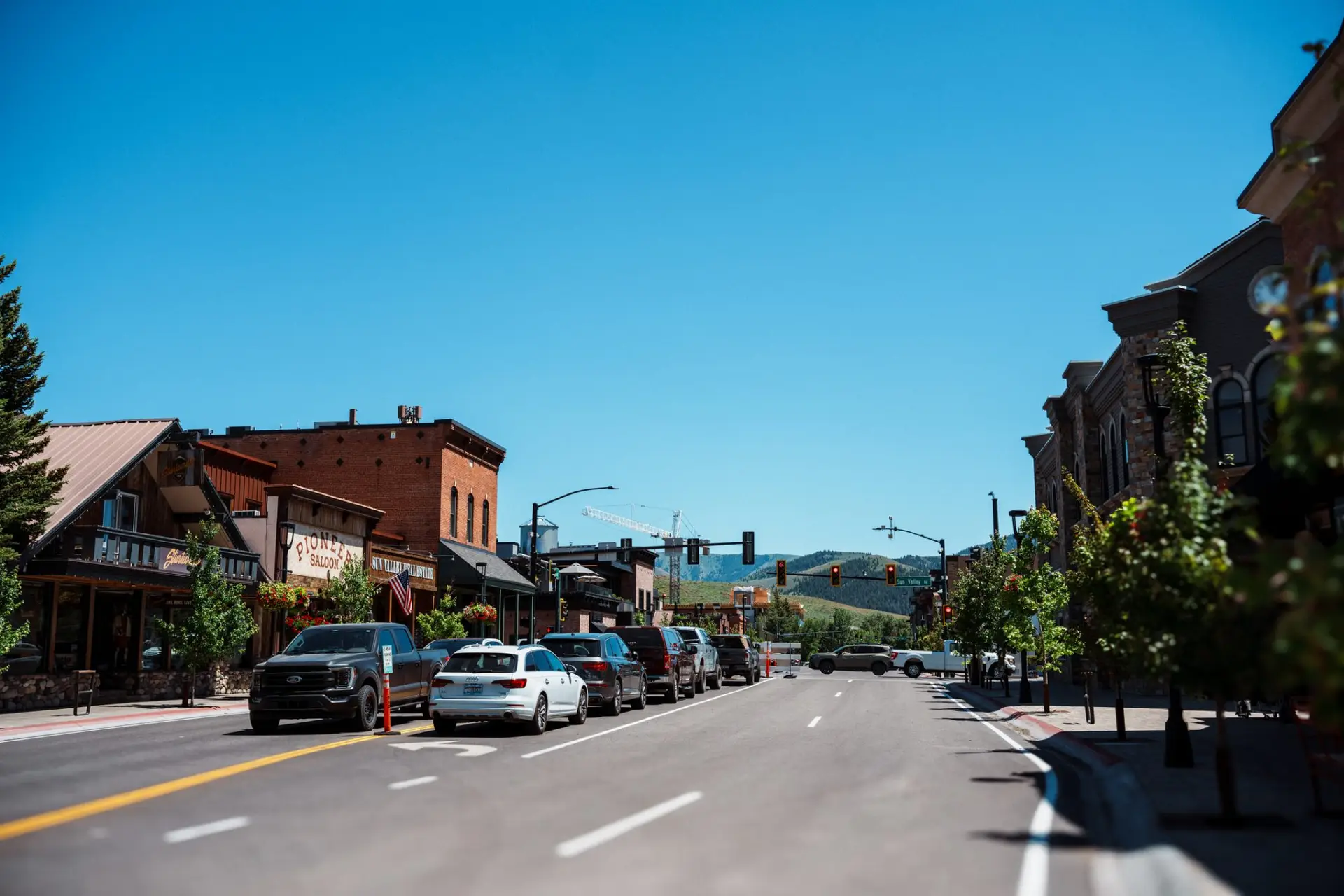
Ketchum Downtown Master Plan: I learned the power of aligning a community with a vision and we were able to accomplish several legacy projects to create public places that brought together the city. This project allowed me to establish my relationship with the community, Planning Commission and City Council. It is also through this project that I met one of my mentors, who taught me the principles of Community Based Planning and eventually brought me to CollinsWoerman in 2007.
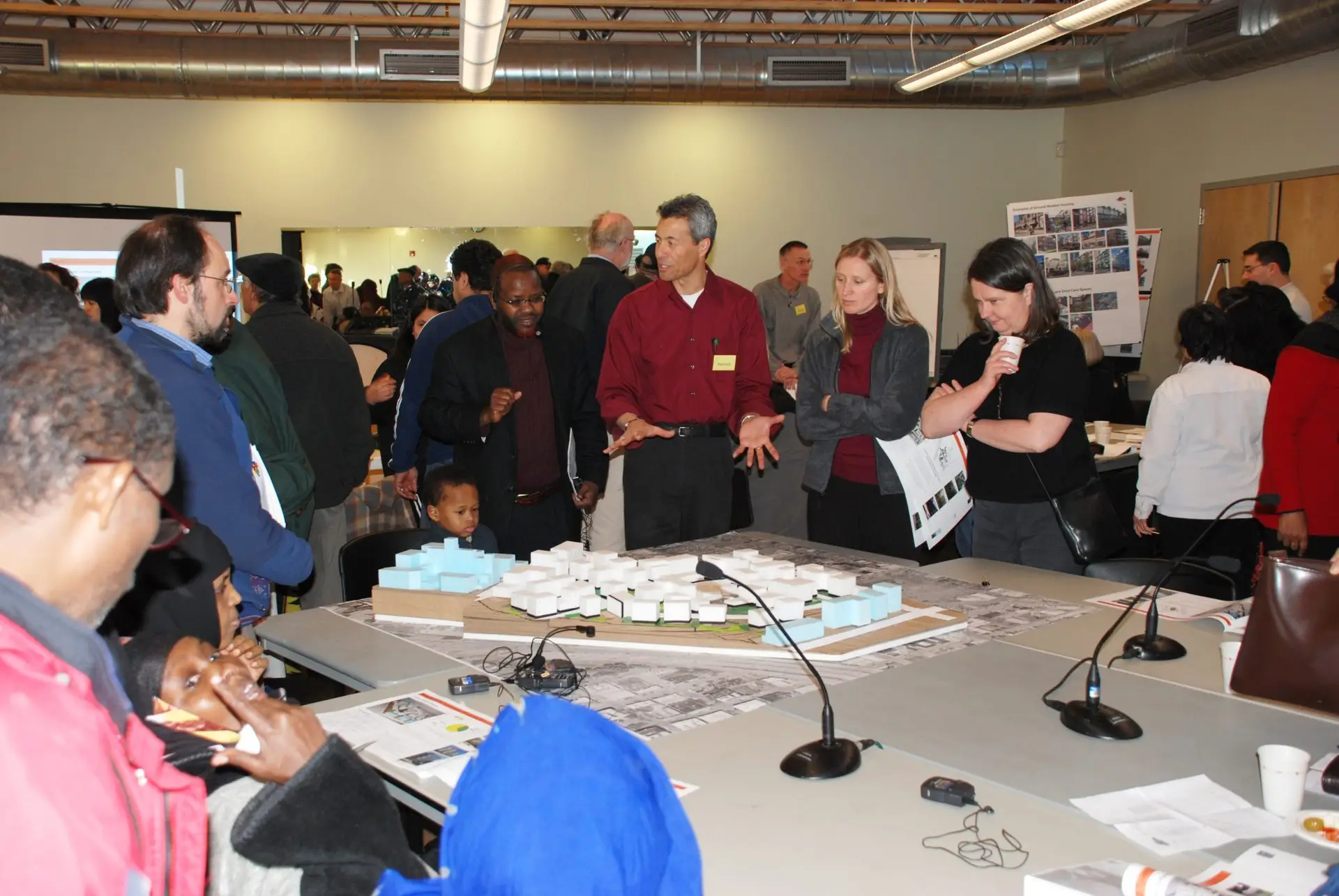
Yesler Terrace Master Plan: Working with the Seattle Housing Authority (SHA) to redevelop their last remaining legacy properties. I learned how financial goals shape the master plan. SHA’s leadership believed that the maximum zoning capacity of the 36 acres was 1,800 units. When SHA gave us their financial goals, they needed 5,000 units to meet their target. Working closely with the existing community and the Citizens Review Committee was both rewarding and complex. Reflecting the community’s cultural and linguistic diversity, our meetings regularly included more than a dozen interpreters, requiring thoughtful communication and collaboration to ensure every voice was heard throughout the planning process. This project also provided the opportunity to lead the Environmental Impact Statement (EIS) process, adding another valuable dimension to my role and experience.
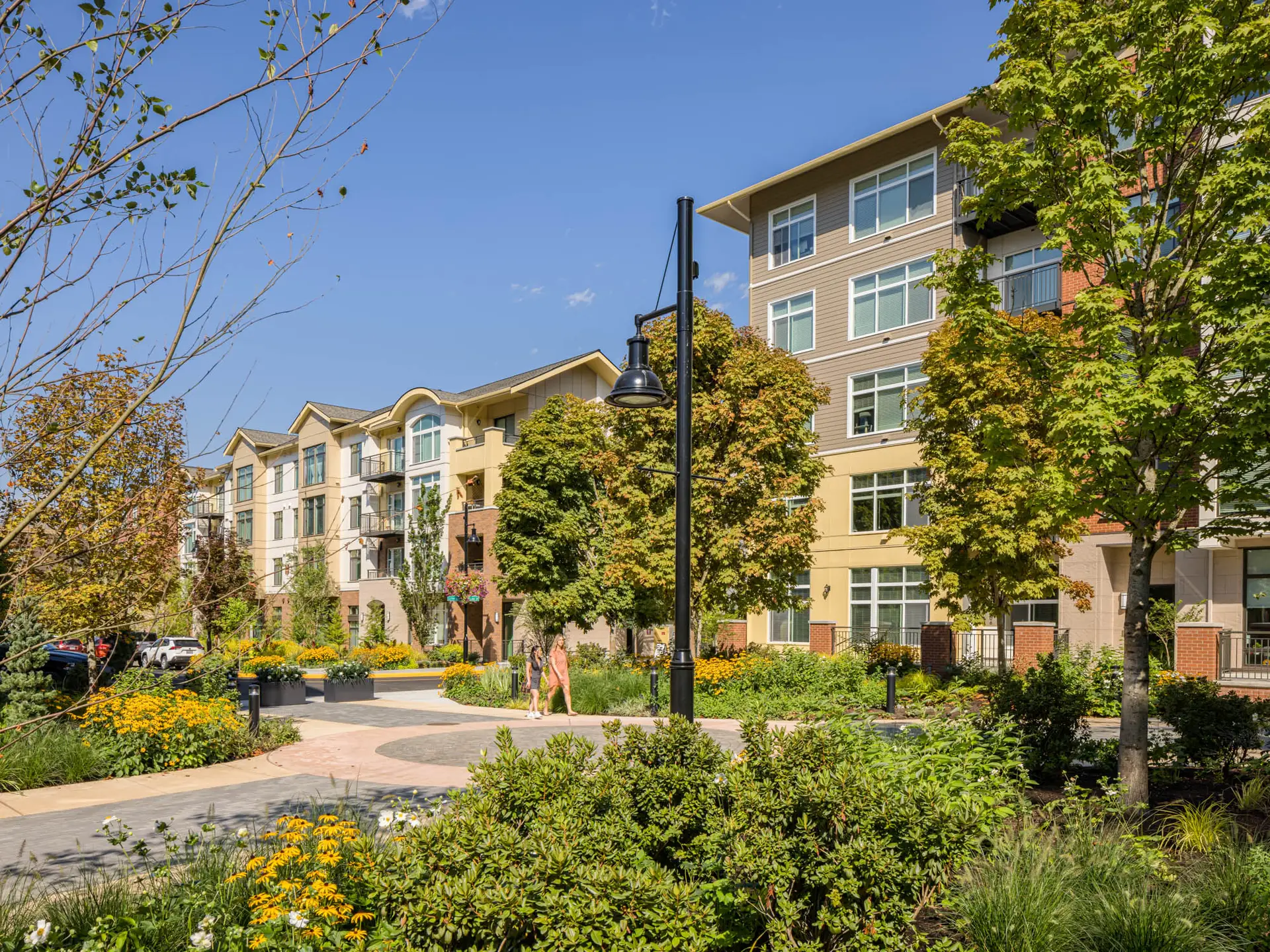
Woodin Creek Village Master Plan and Development Agreement: This was the first of many projects working with Dean Weidner and Weidner Apartment Homes. It was also my first real experience taking a major role in crafting a Development Agreement. We transformed an existing 73-unit trailer park into a retail/residential center of Woodinville which helped catalyze their downtown vision.
Q: What part of your work do you find most rewarding?
A:Collaboration with all the respected professionals I am fortunate to work with. Master planning typically involves weaving solutions to critical areas, geotechnical issues, civil engineering, transportation, building design, landscape architecture, economics, sustainability, and the human element. Add to that the regulatory juggernaut and legal arena, how could you not have fun creating solutions with a great team?
Q: What has been one of the most valuable lessons you’ve learned in your career?
A: The principles behind Community Based Planning continue to be one of my greatest “lessons learned”. The Ketchum Downtown Master Plan, that we discussed earlier, was founded on these principles — focusing on community values, local knowledge, transparency, and a robust public outreach program to reach people that are typically not engaged in this type of planning. One of our core mantras was, “an educated majority will make a good decision”. So, one of our key strategies was to provide all the information necessary to make an informed decision. Focusing on community values also allowed us to change the conversation and typical disagreements on specific issues.
Q: What is your dream project and why?
A: Because of my public sector experience, I have two dream projects. One would be a downtown master plan for a small community. This type of planning process can bring a community together to create a unique vision and provide a template, pull resources, and define steps to accomplish great things. Adding community resilience, biophilic attributes, and incorporating human evolutionary elements would be incredibly rewarding.
The other dream project would be a large-scale master plan that would catalyze development in a community, akin to the Woodin Creek Village master plan I previously worked on. Working with the public sector and creating public private partnerships that accomplish the community’s vision and goals, while respecting the economic realities of private development, is very fulfilling and incredibly fun work. Incorporating district sustainability infrastructure would help pave the way for wider adoption and demonstrate financial feasibility over time.
Harold has been involved in community and economic development, public outreach and master planning on both the public and private sector side for over four decades. With a community-centric mindset, Harold partners with public and private sector clients to create better outcomes for the people they serve.
This Q&A is part of our CollinsWoerman Expert Series where we interview the firm’s architects, designers, sustainability experts, and interior designers to get their perspectives on industry trends, best design practices, and more.